
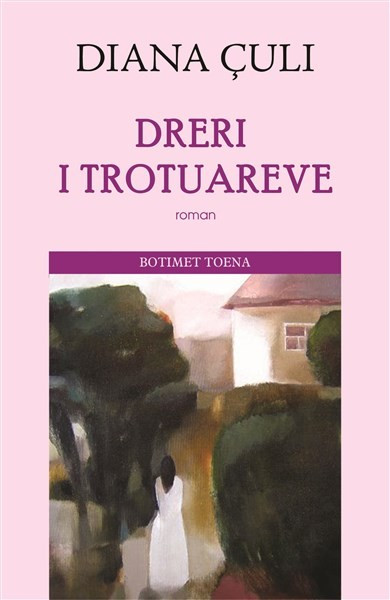
The Deer in the City
Novel, pp. 400, Toena 2013
Published in China and Italy.
The Deer in the City (original title: Dreri i trotuareve) is the most iconic novel by acclaimed Albanian author Diana Çuli, one of the leading voices in contemporary Albanian literature. Written in Tirana between 1980 and 1984, the novel remained unpublished for several years due to the strict censorship of the communist regime. It was finally published in 1988, as censorship restrictions began to ease, and has since been reissued several times. More than three decades later, it remains part of the high-school literature curriculum in Albania and is widely considered a generational landmark.
Short Synopsis
Set in Tirana during the final decades of Albania’s communist regime, The Deer in the City follows a group of young men and women whose intellectual curiosity, cultural aspirations, and desire for a life beyond the confines of their country collide with the realities of censorship, fear, and ideological control.
At the heart of the novel are Fred, whose ironic motto, “nothing and no one matters,” becomes a means of self-preservation in a repressive society, and Vera, whose desperate decision to undergo an illegal abortion lays bare the devastating consequences of a system that denies women control over their own bodies.
Through friendships, debates, forbidden dreams, and the ordinary rituals of youth—from late-night gatherings to compulsory state labor—Diana Çuli captures the contradictions of a generation struggling to preserve its identity, dignity, and hope under an oppressive regime.
A coming-of-age novel set against the backdrop of a dictatorship in decline, The Deer in the City is ultimately a story of resilience, desire, and the universal yearning for freedom.
The novel also confronts the reality of clandestine abortion in communist Albania, where the practice was outlawed and punishable by imprisonment. While in other Eastern Bloc countries the legalization of abortion was increasingly framed as a victory for women’s reproductive rights, in Albania the regime instrumentalized deeply rooted patriarchal attitudes to reinforce social control and deny individual freedoms. Its pronatalist policies were justified through the rhetoric of “imperialist encirclement,” turning women’s bodies into instruments of state ideology.